 Go to the homepage
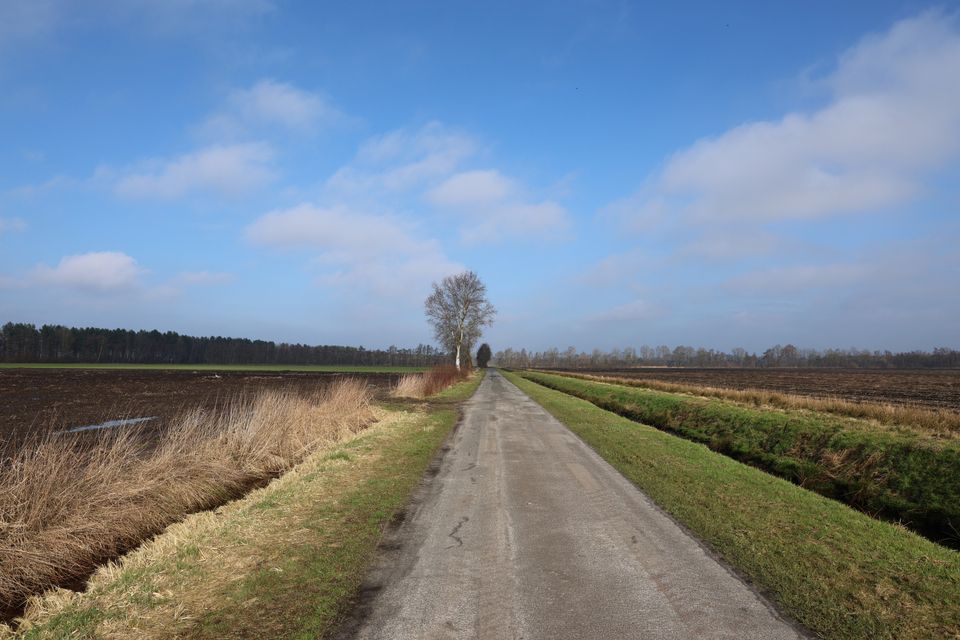
In the border area on the German side of the Veenland|Moor Park, much of the reclaimed former raised bog is used as arable land. From the eighteenth century onwards, the first German settlers cultivated buckwheat on top of the raised bog. Around 1870, they introduced this practice to the Dutch border region as well. To grow buckwheat on peat, the top layer of soil was burnt after spring to release the nutrients. These fires caused such severe smoke pollution – even as far as Holland – that this farming method was banned in 1925. Growing buckwheat was a godsend for poor farmers, as it required neither livestock nor capital. The crop is highly sensitive to temperature, which meant yields were very variable; buckwheat is therefore nicknamed ‘jammerkoren’ (literally ‘pitiful grain’).