 Go to the homepage
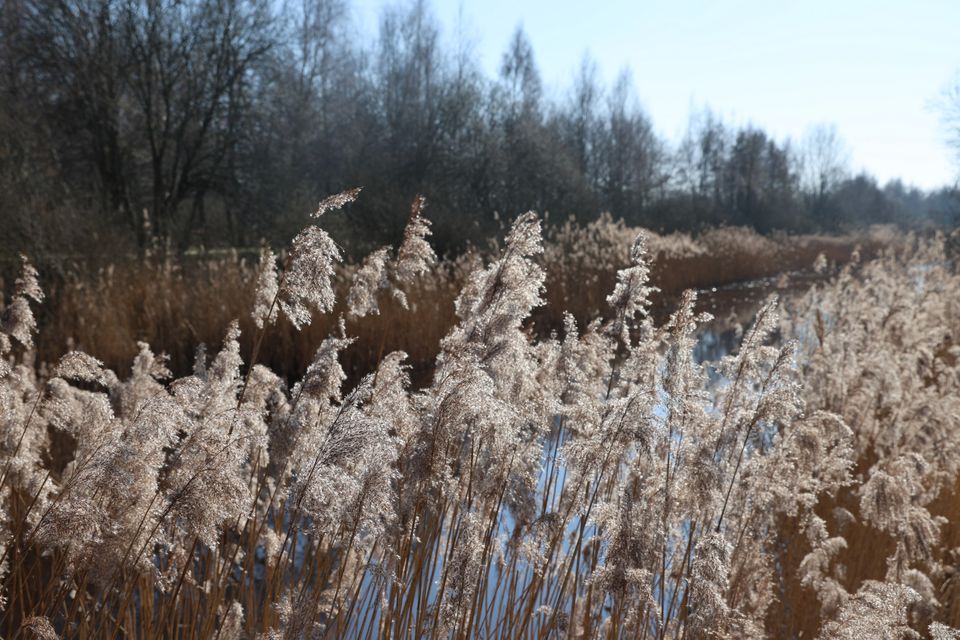
De Runde was a peat river that originated in the Zwarte Meer in the high moor and formed the upper reaches of the Ruiten Aa. In 2005, this old…
De Runde was a peat river that originated in the Zwarte Meer in the high moor and formed the upper reaches of the Ruiten Aa. In 2005, this old course was restored as far as possible, and natural banks and fish ladders were constructed to enable fish to reach their spawning grounds. From the Middle Ages onwards, farmers from the German sand villages of Langen, Altharen, Wesuwe and Versen grazed their sheep around the Zwarte Meer and on the pastures of the Runde. The Bishop of Münster had granted them this right. There was as yet no official border with border controls; this only came into being during the First World War. In the nineteenth century, disputes over the exact course of the border occasionally led to mass brawls between farmers from Drenthe and Germany. Despite these high tensions, after 1867 both farmers and labourers from Emsland, Drenthe, Groningen and Overijssel settled on the high moors; they were predominantly Catholic. This is why Barger-Compascuum still celebrates carnival on a grand scale.