 Go to the homepage
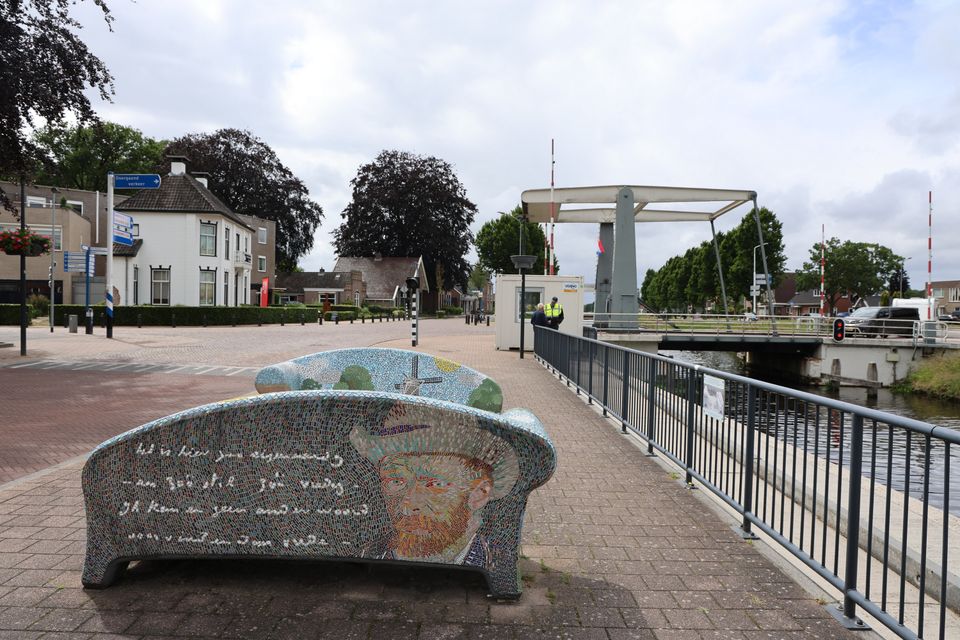
By 1851, the Hoogeveensche Vaart had been extended from Hoogeveen as far as what is now Nieuw-Amsterdam. Even back then, the peatlands had attracted the attention of English investors who wanted to extend the canal all the way to the Ems for trade with German cities. Drenthe sought help from Amsterdam financiers who promised to transport the peat through Drenthe. The English financiers pulled out after the rapid rise of railways and tramways rendered the canal plan obsolete. The wealthy Amsterdammers were left holding the land, which they eventually managed to sell in 1909 to the Anglo-Dutch Griendtsveen Moss Litter Company. Nieuw-Amsterdam owes its name to this land deal.
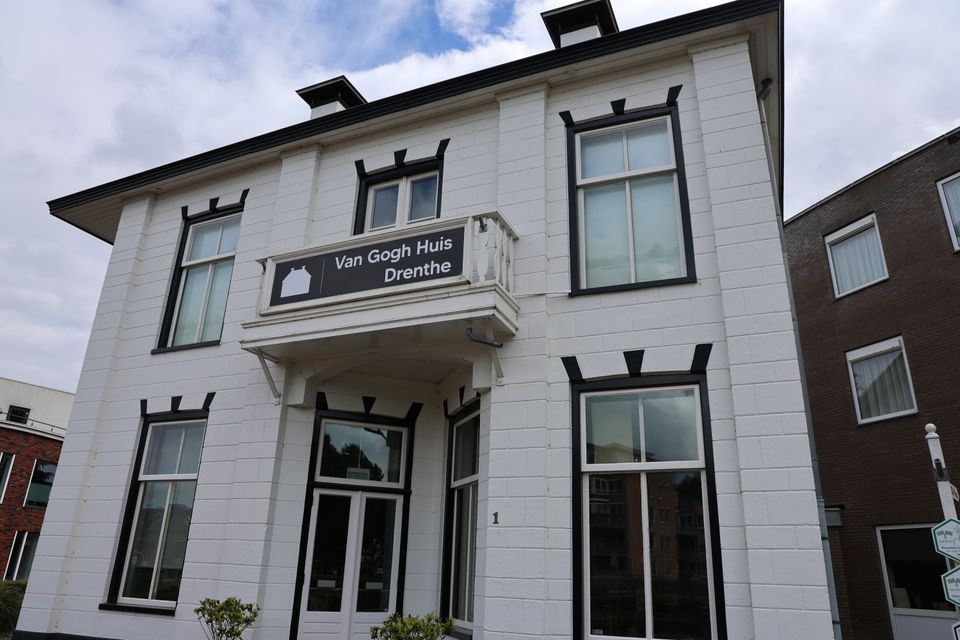
The Van Gogh House, situated on the…
By 1851, the Hoogeveensche Vaart had been extended from Hoogeveen as far as what is now Nieuw-Amsterdam. Even back then, the peatlands had attracted the attention of English investors who wanted to extend the canal all the way to the Ems for trade with German cities. Drenthe sought help from Amsterdam financiers who promised to transport the peat through Drenthe. The English financiers pulled out after the rapid rise of railways and tramways rendered the canal plan obsolete. The wealthy Amsterdammers were left holding the land, which they eventually managed to sell in 1909 to the Anglo-Dutch Griendtsveen Moss Litter Company. Nieuw-Amsterdam owes its name to this land deal.
The Van Gogh House, situated on the canal running straight through Nieuw-Amsterdam, was built in 1870 and served as a canal-side inn and lodging house for passengers on the towboats that ventured deeper into the peatlands. In 1883, Vincent van Gogh stayed at Logement Scholte for nine weeks. He was given the attic room with a balcony to use. The attic and taproom are still in their original condition.