 Go to the homepage
Go to the homepage
Go to the homepage
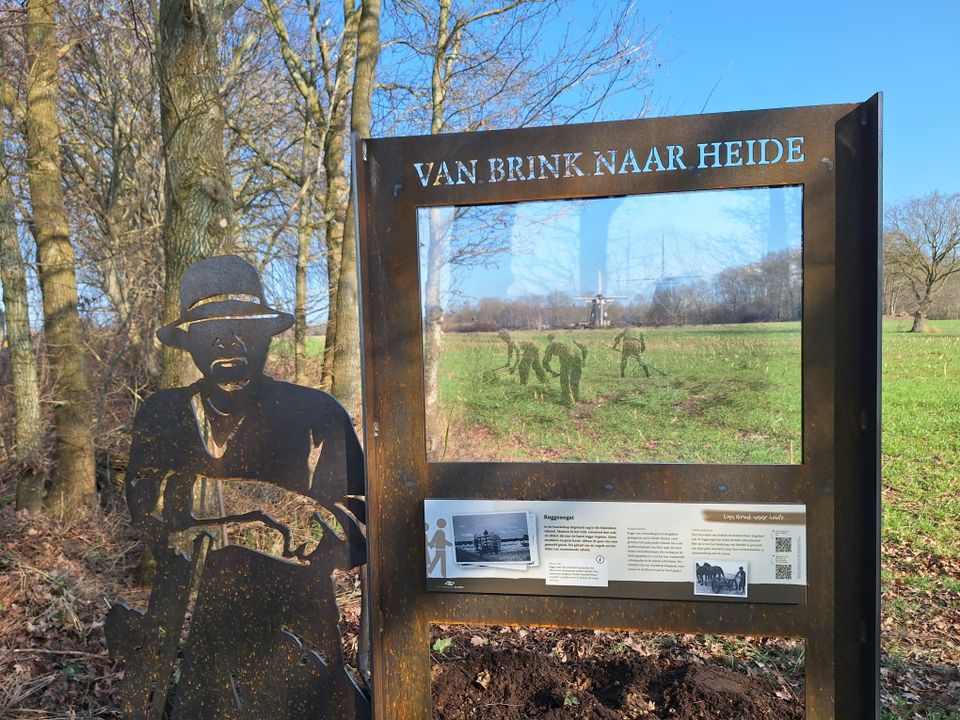
The hamlet of Engeland once played host to this remarkable scene. Men worked in the fields, swinging scythes and sickles to harvest rye by hand. No machines and no rush. Only the scent of freshly cut grain, the sound of birds and the steady rhythm of age-old work.
Sheep manure
For centuries, rye was the main cereal crop on the poor sandy soils of Drenthe. It fitted perfectly into the traditional farming system of the region. The manure came from heathland sheep that grazed on the heath during the day and left their valuable manure in the deep litter barn by night. The result was a fertile cycle in which nature and agriculture worked closely together.
Cultural Heritage
For visitors to the form…
The hamlet of Engeland once played host to this remarkable scene. Men worked in the fields, swinging scythes and sickles to harvest rye by hand. No machines and no rush. Only the scent of freshly cut grain, the sound of birds and the steady rhythm of age-old work.
Sheep manure
For centuries, rye was the main cereal crop on the poor sandy soils of Drenthe. It fitted perfectly into the traditional farming system of the region. The manure came from heathland sheep that grazed on the heath during the day and left their valuable manure in the deep litter barn by night. The result was a fertile cycle in which nature and agriculture worked closely together.
Cultural Heritage
For visitors to the former Recreatiecentrum Engeland, (now Europarcs Ruinen), the rye harvest offered a glimpse of living cultural heritage. It shows how the landscape of Drenthe was shaped, not by large machines but by human hands working in cooperation with nature.
Did you know...
Rye was often grown on fields fertilised by sheep. This traditional cycle made arable farming possible on naturally poor soils.