 Go to the homepage
Go to the homepage
Go to the homepage
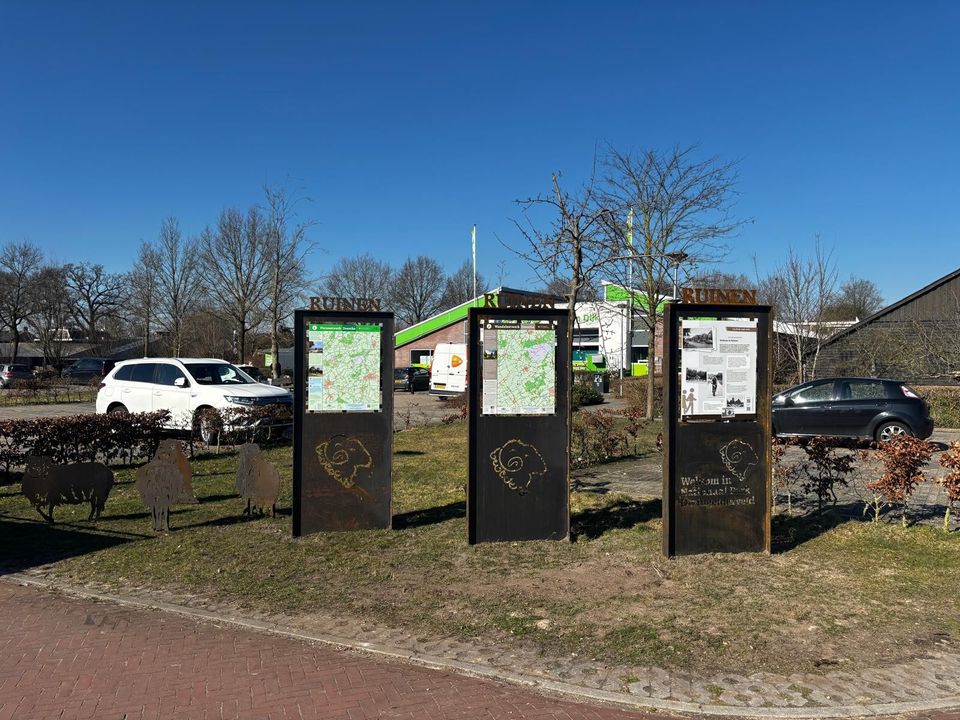
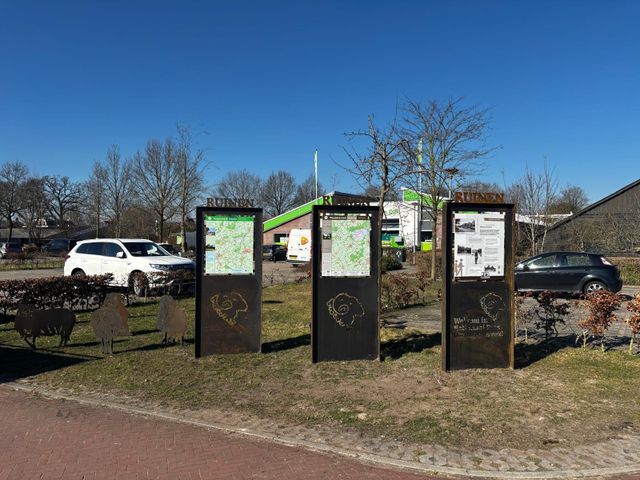
Ruinen is one of the oldest villages in Drenthe, with roots reaching back to the early Middle Ages. The first farmers settled on these higher sandy soils over 1200 years ago. They made the rugged landscape habitable by clearing forests to create farmland, laying the foundations for the village today.
Monks
Around 1140, monks of the Premonstratensian order founded a monastery here. They brought new knowledge of farming and governance. Improved cultivation methods produced fertile esgronden (sandy, elevated heathlands), and a village structure emerged that would endure for centuries.
Lordship
In the 14th century, Ruinen developed into the centre …
Ruinen is one of the oldest villages in Drenthe, with roots reaching back to the early Middle Ages. The first farmers settled on these higher sandy soils over 1200 years ago. They made the rugged landscape habitable by clearing forests to create farmland, laying the foundations for the village today.
Monks
Around 1140, monks of the Premonstratensian order founded a monastery here. They brought new knowledge of farming and governance. Improved cultivation methods produced fertile esgronden (sandy, elevated heathlands), and a village structure emerged that would endure for centuries.
Lordship
In the 14th century, Ruinen developed into the centre of its own administrative area: the Heerlyckheid Ruinen (The Lordship of Ruinen). Acting on behalf of the Bishop of Utrecht, the lord of Ruinen governed the surrounding villages. He even had his own court of justice. Well into the 18th century, residents paid their taxes in kind, for example in rye or butter.
Traces
Although the monastery and the lordship have long since disappeared, traces of this long history can still be seen on the Brink. Villagers lived their lives in this open space, surrounded by farmhouses, historic routes and stories.
Did you know...
The name Ruinen probably comes from the Old Dutch word runia, meaning clearing or reclaimed space, a reference to the village's origins.