 Go to the homepage
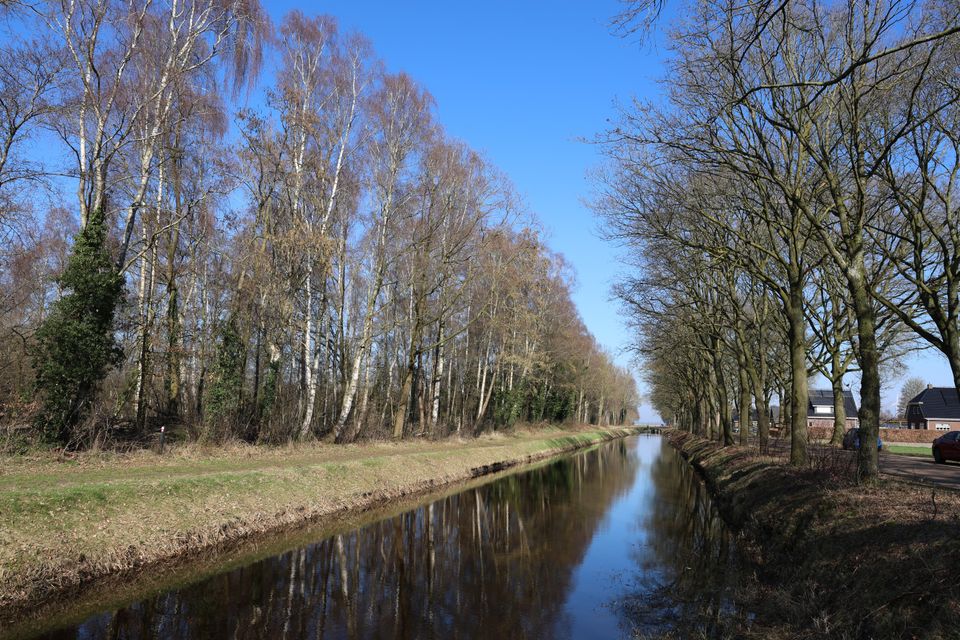
On the German side, large-scale peat reclamation only began at the end of the nineteenth century; in the centuries prior, the Bourtanger Marsh had been steadily settled by small farmers who grew crops on the peat. The field layout around Hebelermeer and Schöninghsdorf therefore appears rather more haphazard and less efficient than that on the Dutch side. Here, the land was reclaimed specifically with peat extraction in mind. First, canals and waterways were dug. Straight roads ran alongside them. The villages were situated at the junctions of these waterways. The Hoofdwijk III is one such historic canal with a historic character. Barger-Compascuum emerged around 1860 between this canal and the Verlengde Oosterdiep.