 Go to the homepage
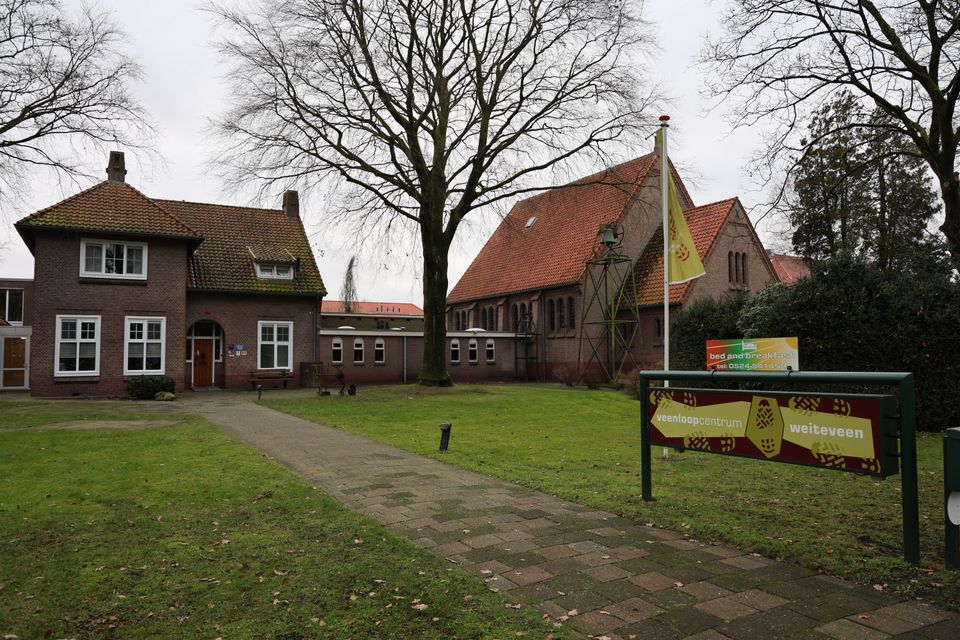
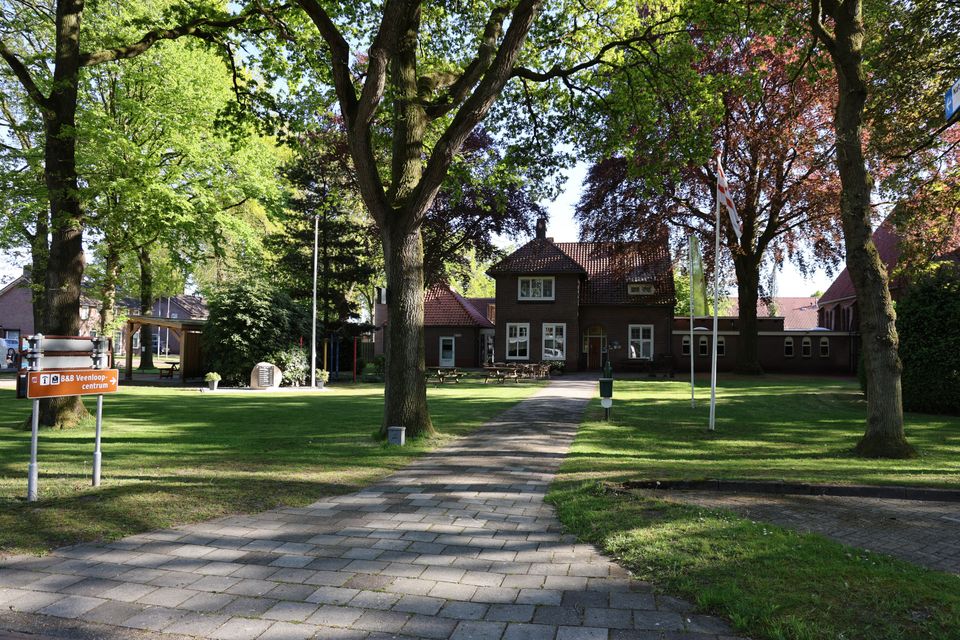
It is one of the youngest peat-colonial villages in the Netherlands. Weiteveen was founded at the beginning of the twentieth century and was k…
It is one of the youngest peat-colonial villages in the Netherlands. Weiteveen was founded at the beginning of the twentieth century and was known in those days as Amsterdamsche Veld. The golden age of peat extraction was long past. A group of Amsterdam investors had purchased the raised bog area. The operation soon fell apart, after which the bog came into the hands of the Griendtsveen Peat Litter Company in 1909. The top layer was processed into peat litter, whilst the bottom layer was sent to the Purit (later Norit) factory in Klazinaveen for the production of activated carbon. The eastern half of Weiteveen became home to German peat workers, most of whom were Catholic. The western settlement consisted mainly of Protestant workers and craftsmen from Schoonebeek. In 1954, both hamlets were merged under the name Weiteveen, a reference to the former cultivation of buckwheat in the peatland area. In the early years, bitter poverty prevailed in the peat colony. A nationwide fundraising campaign raised money for the construction of a Catholic church. The adjacent Veenloopcentrum is housed in the Mariakapel parish hall, a listed building.