Go to the homepage
4
Hike
20.5 km
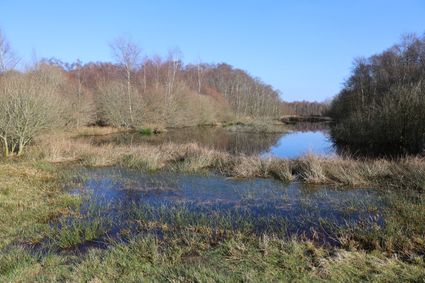
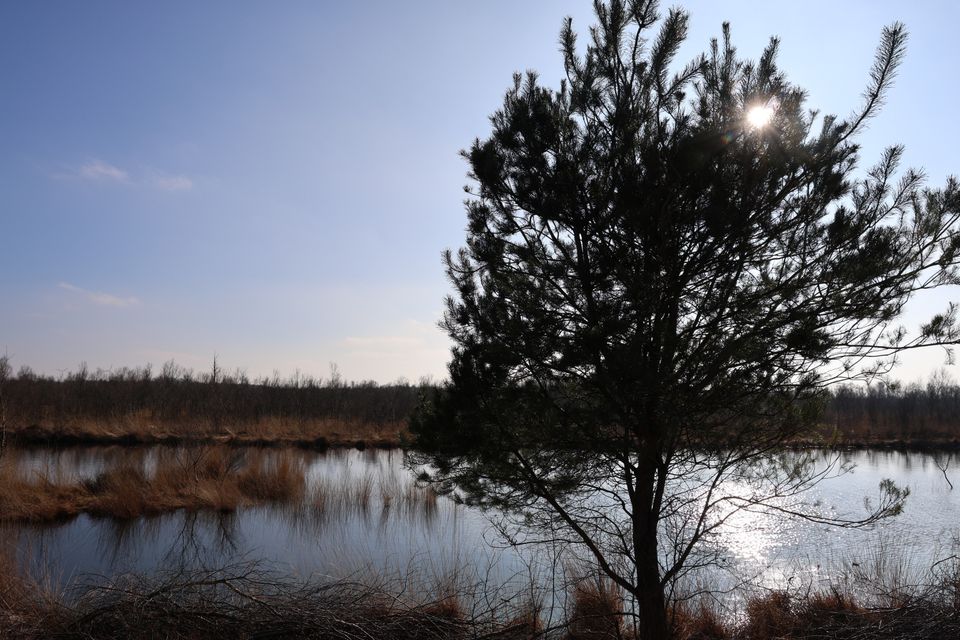
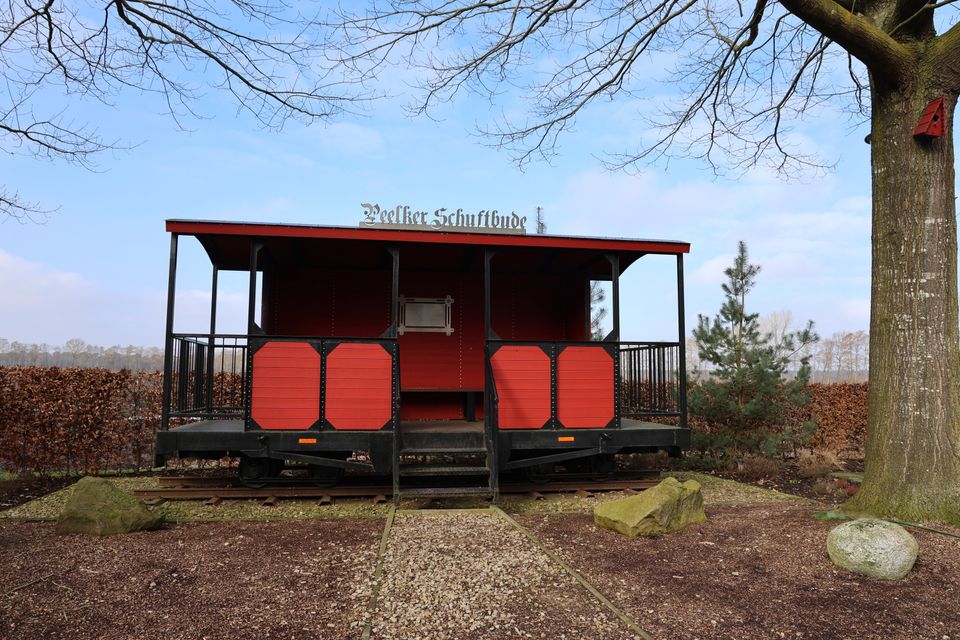
The fourth stage of the Moor|Veenland Trail starts in Twist/Bült and winds its way through a landscape that for centuries formed part of the vast Bourtanger Marsh. Where the peat bog once seemed to swallow up people and animals, peat extraction transformed the wilderness forever. On the way to Zwartemeer, you can see how peat extraction and nature restoration now coexist, with a narrow-gauge railway and peatland reserves standing as silent witnesses.
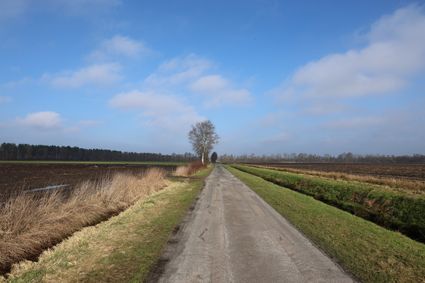
In the border area on the German side of the Veenland|Moor Park, much of the reclaimed former raised bog is used as arable land. From the eighteenth century onwards, the first German settlers cultivated buckwheat on top of the raised bog.
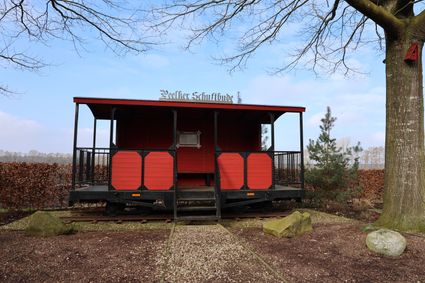
Large-scale peat extraction would have been unthinkable without canals and ditches for transporting large quantities of peat. In the raised bogs themselves, transport took place via a dense network of narrow-gauge railway lines from the time of the Industrial Revolution onwards.
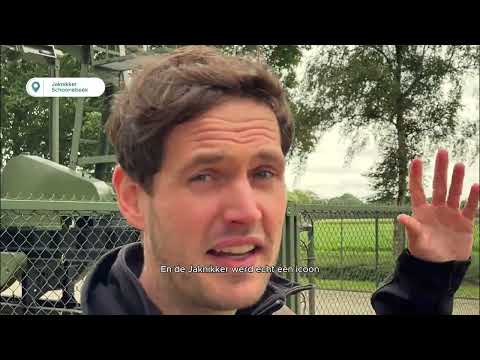
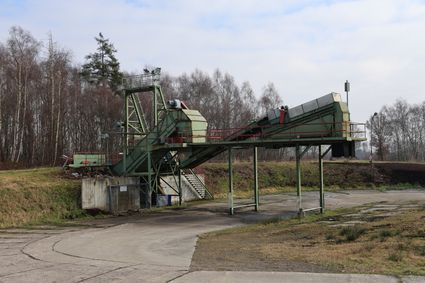
It does rather resemble a giant praying mantis. The green machine is used to transfer the peat, delivered in narrow-gauge railway wagons onto road lorries. Commercial peat reclamation on the German side of the Veenland|Moor park takes place right next to nature reserves.
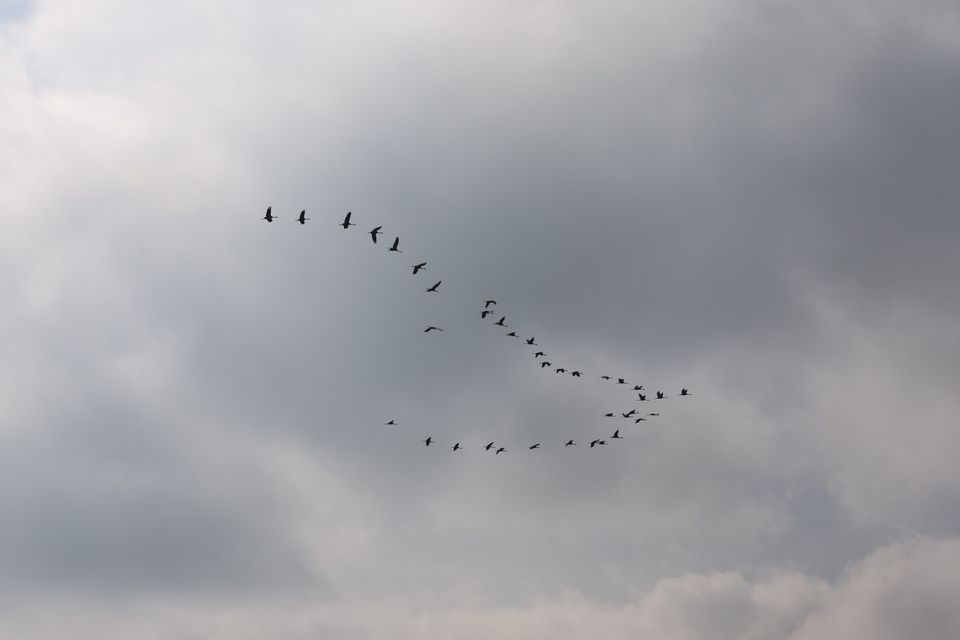
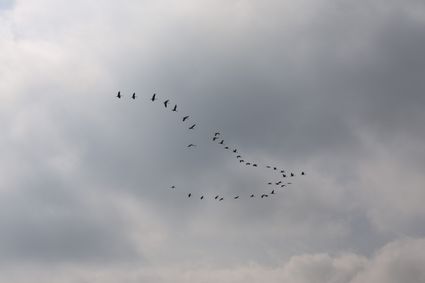
Their call sounds like a bugle call. Anyone who has ever heard cranes flying overhead will never forget it for the rest of their life. From spring onwards, large flocks of cranes fly over the Provinzialmoor, trumpeting loudly, before alighting in the wet fields to forage.
Jan Conen and Margaretha Nieters found a place to live in the peat bog. In 1903, they built a wooden house on the edge of a peat bog pond. That settlement has since given way to nature once more. The house consisted of a single room with a couple of box beds.