Go to the homepage


City hike
3.2 km
This 3.2 km signposted city walk takes you past some of Assen's most beautiful historic sites and distinctive buildings. Discover traces of a rich past shaped by government and influential residents. From the Maria in Campis convent to the arrival of King Louis Napoleon and other notable figures – they all left their mark on the town. Let the stories of Assen surprise you!
Parking and public transport
The walking route starts at the entrance to the Drents Museum. Paid parking is available at the nearby Drents Museum car park (Torenlaan 18C).
Travelling by public transport? The Oostersingel and Zuidhaege bus stops are just a one-minute walk away. From Assen railway station, it's approximately a five-minute walk to the starting point. Plan your journey by public transport.
Route signs
The route is marked with white hexagonal signs with brown lettering.
Dogs
Dog…
This 3.2 km signposted city walk takes you past some of Assen's most beautiful historic sites and distinctive buildings. Discover traces of a rich past shaped by government and influential residents. From the Maria in Campis convent to the arrival of King Louis Napoleon and other notable figures – they all left their mark on the town. Let the stories of Assen surprise you!
Parking and public transport
The walking route starts at the entrance to the Drents Museum. Paid parking is available at the nearby Drents Museum car park (Torenlaan 18C).
Travelling by public transport? The Oostersingel and Zuidhaege bus stops are just a one-minute walk away. From Assen railway station, it's approximately a five-minute walk to the starting point. Plan your journey by public transport.
Route signs
The route is marked with white hexagonal signs with brown lettering.
Dogs
Dogs are welcome but must be kept on a lead.
Food & drink
Fancy a tasty treat during or after your walk? Assen has plenty of welcoming cafés and restaurants where you can enjoy something to eat or drink.
You'll find QR codes at various points along the route. Scan them to discover even more stories from my past.
Drents Museum is a museum with international allure that inspires young and old alike with stories about archaeology, art and history.

The history of Assen comes to life! Discover how a relocated monastery and Louis Napoleon played an important role in the development of Drenthe's capital.
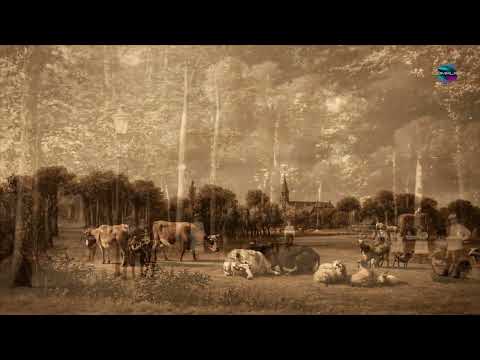
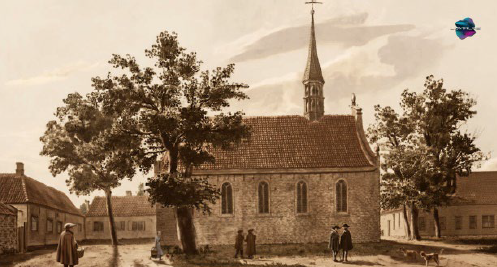
The history of Assen comes to life! Discover how a relocated monastery and Louis Napoleon played an important role in the development of Drenthe's capital.
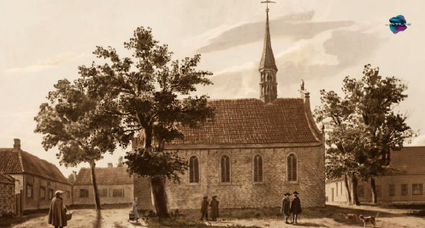
In the heart of Assen, you will find one of the city's oldest estates. It is an oasis of peace and tranquillity amid the bustle of the city. Directly behind the elegant manor house lies a landscaped garden dating from the early 19th century, with winding paths and small hills. Further on,

At Kloosterstraat 3, you will find a striking old wall with a water pump. It may look simple at first glance, but this spot is full of history. The wall was built in the 19th century using large medieval bricks known as kloostermoppen (monastery bricks). These bricks were reused from older building

On Kloosterstraat stands an elegant and impressive building: the Drostenhuis. This grand residence was built between 1774 and 1778 and still reflects the power and prestige of times gone by.

The Brink has changed a great deal over the years, but it has always been an important meeting place. Who walked here in the past?
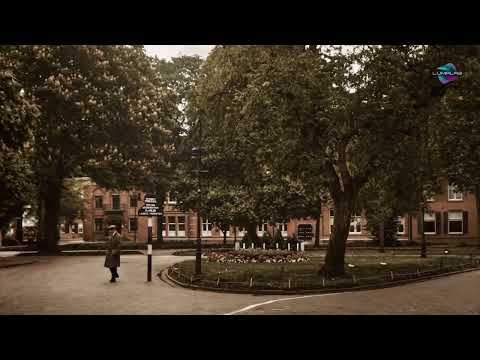
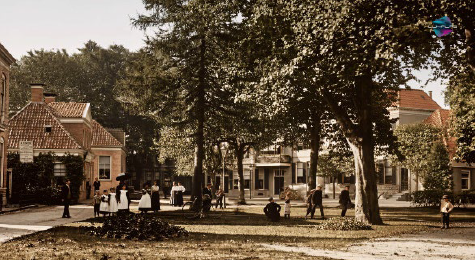
The Brink has changed a great deal over the years, but it has always been an important meeting place. Who walked here in the past?
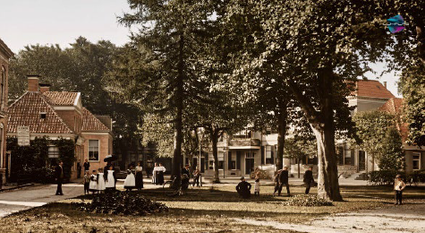
In front of you stands an impressive building that has played an important role in Drenthe's history. This is the former Provincial Government Building, built around 1879. It was once the seat of the provincial government of Drenthe.

The Abbey Church, also known as the Monastery Church, was once part of the Mariënkamp convent in Assen. The history of the Abbey Church dates back to the Middle Ages. The original monastery complex, of which the church formed part, was founded in the 13th century.

On the Brink stands one of Assen's oldest houses: the Ontvangershuis, or Tax Collector's House. Behind its historic façade lies a story stretching all the way back to the Middle Ages. In the cellar, you can still find vaulted ceilings dating from the 15th century.
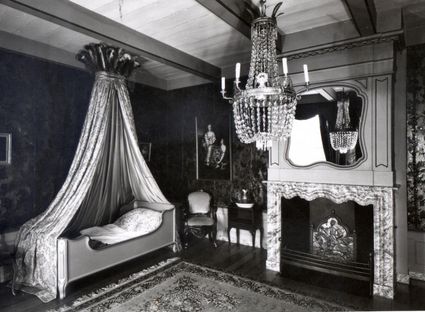
Curious about your family history? Want to know how your village or town has developed over the centuries? Or are you looking for information about a building, organisation or historical event in Drenthe?

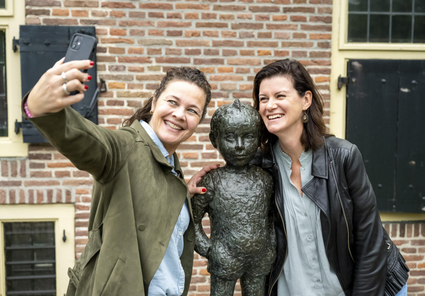
One of the best-known symbols of Drenthe's famously stubborn character is Bartje Bartels, the main character in the novel Bartje by Anne de Vries.
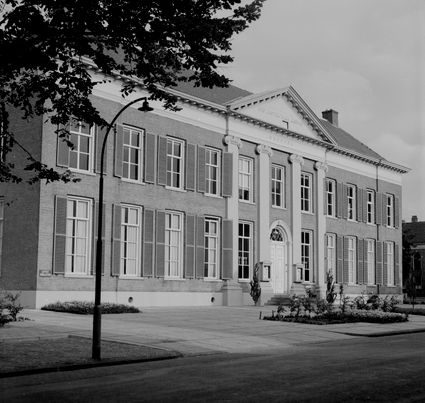
On Brinkstraat stands the impressive Palace of Justice. Since 1840, this has been the place where justice is administered in Assen. The building was originally constructed to house the Provincial Court. Judges gathered here to hear important cases and make decisions.
The Pelinckhuis, located on the Markt in Assen, is a historic building with a rich and varied past. In the early 19th century, it was home to the Pelinck family, an influential family in the region.

You are standing at the Kop van de Vaart, the point where the Vaart canal, dug in 1780, comes to an end. This canal changed everything. Before then, Assen was a fairly isolated monastery settlement. But with the arrival of the canal,
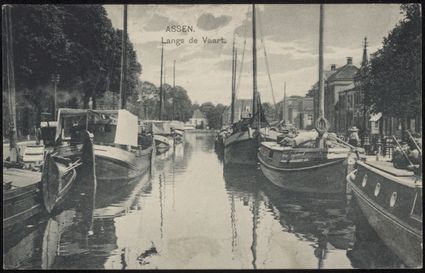
The construction of the canal transformed Assen into a bustling port town, connecting it to faraway places.
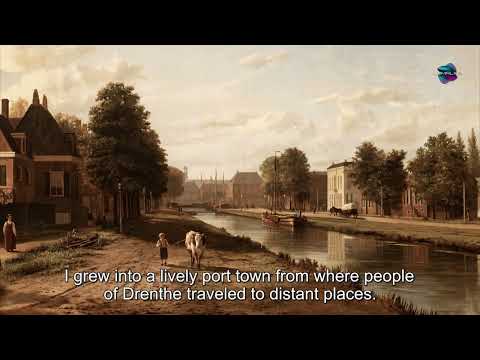
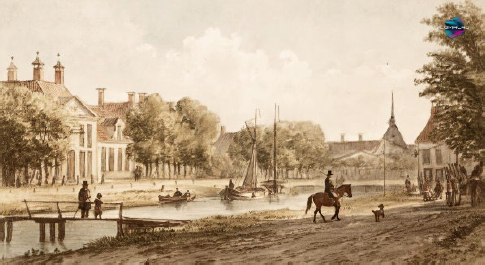
The construction of the canal transformed Assen into a bustling port town, connecting it to faraway places.
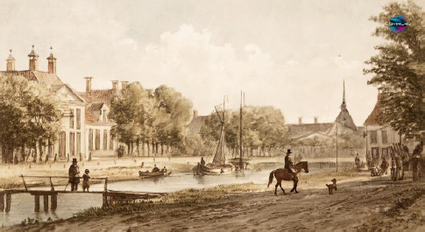
The Noorderbegraafplaats (Northern Cemetery) covers an area of two hectares and is located in part of the Asserbos woodland. The cemetery has been in use since 1823 and is the final resting place of several people who played an important role in the development of Assen.
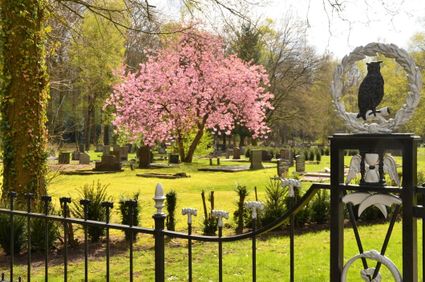
You might not realise it, but you're standing in one of the oldest urban woodlands in the Netherlands! Watch the video to discover more about this remarkable star-shaped woodland.
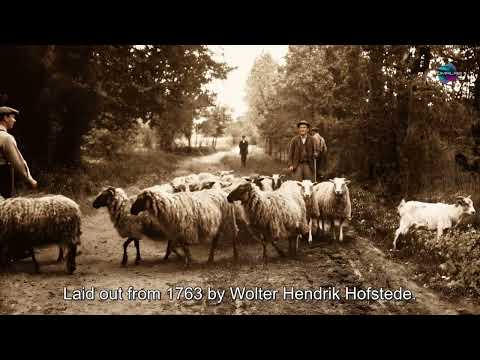
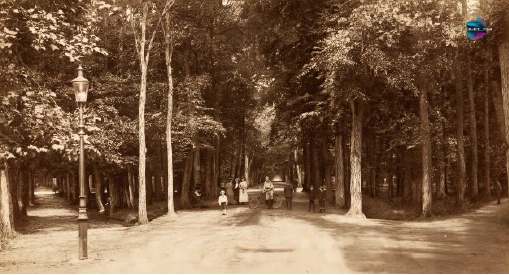
You might not realise it, but you're standing in one of the oldest urban woodlands in the Netherlands! Watch the video to discover more about this remarkable star-shaped woodland.
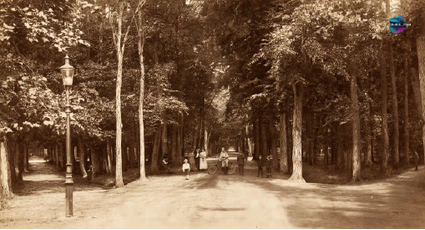
Surrounded by the greenery of the town's woodland lies the Hertenkamp (Deer Park), a place where nature and history come together. It all began with a special gift. The widow of the then King's Governor presented Assen with a royal stag. This inspired the creation of a deer park on this very spot.
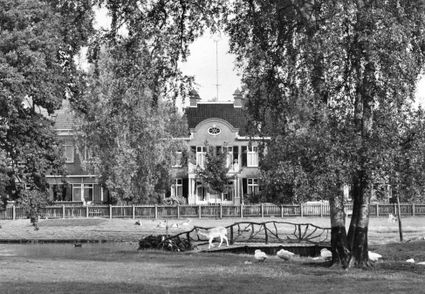
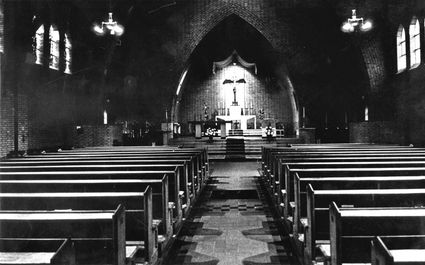
The Church of Our Lady of the Assumption is a historic church in Assen. Located on Dr. Nassaulaan, the church was built between 1933 and 1934 to a design by Jan van Dongen Jr., in collaboration with J.F.A. Göbel.
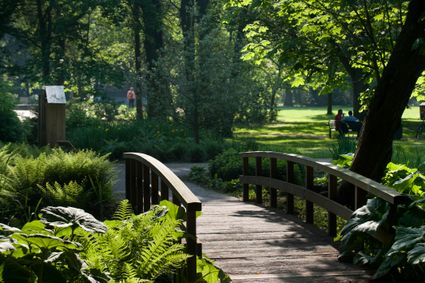
You are now standing at the entrance to the Gouverneurstuin (Governor's Garden). This peaceful green space takes its name from its former owner: the King's Governor. In the 19th century, this was his private garden. It was home to an apple orchard and vegetable garden,
Welcome to Assen – Let Me Tell You My Story!
Welcome, I'm Assen! How lovely that you've decided to explore me on foot. Let me tell you, I've certainly been through a lot over the centuries…
My story really begins with the arrival of the Maria in Campis convent. Before that, this area consisted of a few small villages, vast stretches of open heathland and a woodland. That woodland played an important role in choosing this location.
The convent was originally situated near Coevorden, but poor soil conditions and flooding forced the nuns to relocate in the mid-13th century. They moved to higher ground, and that's how the convent came to Assen, to the very spot where you'll now find the Drents Museum.
In 1807, Assen became an independent municipality, and on 13 March 1809, Louis Napoleon, King of Holland, granted me town rights.
You'll find QR codes at various points along the walk. Scan them to discover even more fascinating stories from my past!