Go to the homepage
4
Hike
15.6 km
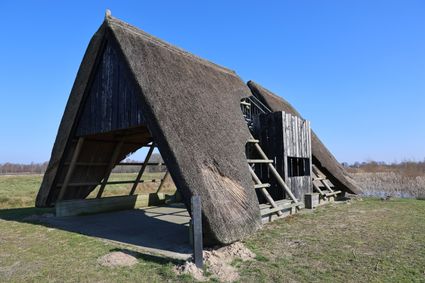
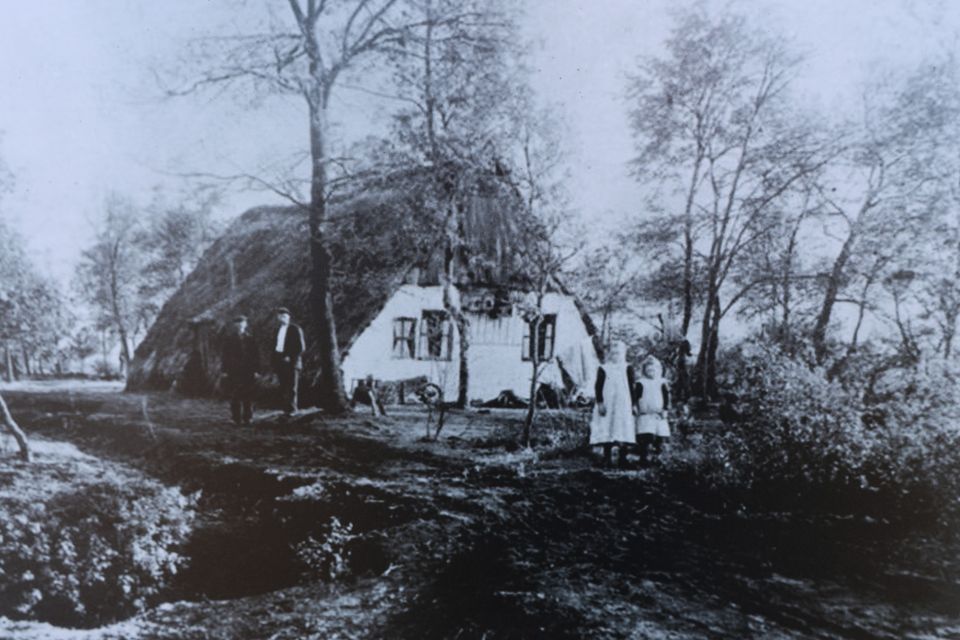
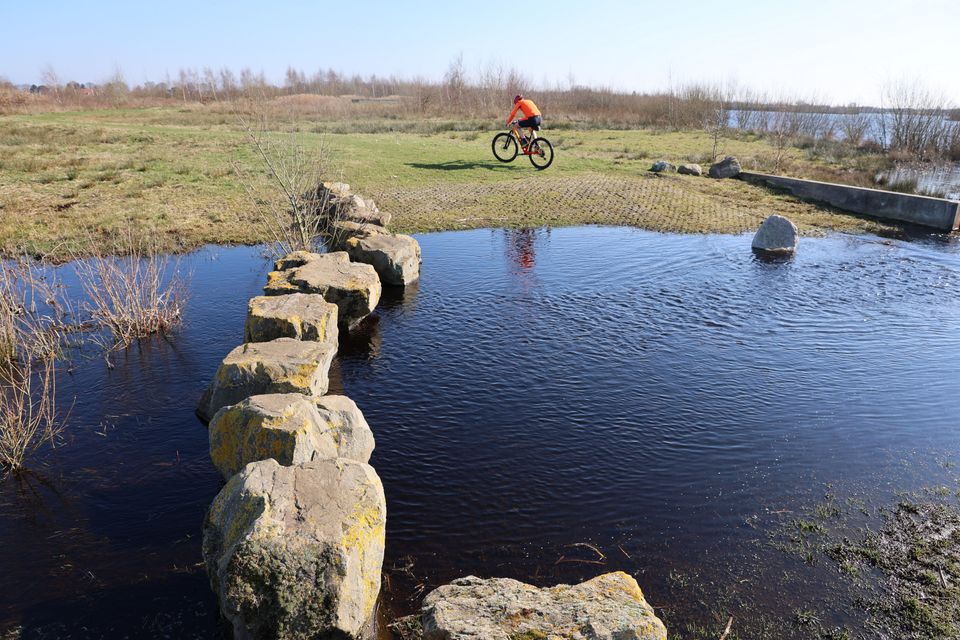
The sixth stage of the Moor|Veenland Trail starts in Hebelermeer, now a green ribbon village with large farms and attractive farmyards. It was once quite different: the village was founded in 1788 as a poor ‘marsh colony’, with just twelve farmsteads in the middle of the raised bog. On the way to Zwartemeer, you’ll walk through a landscape that evokes the hard life of the first peatland settlers.
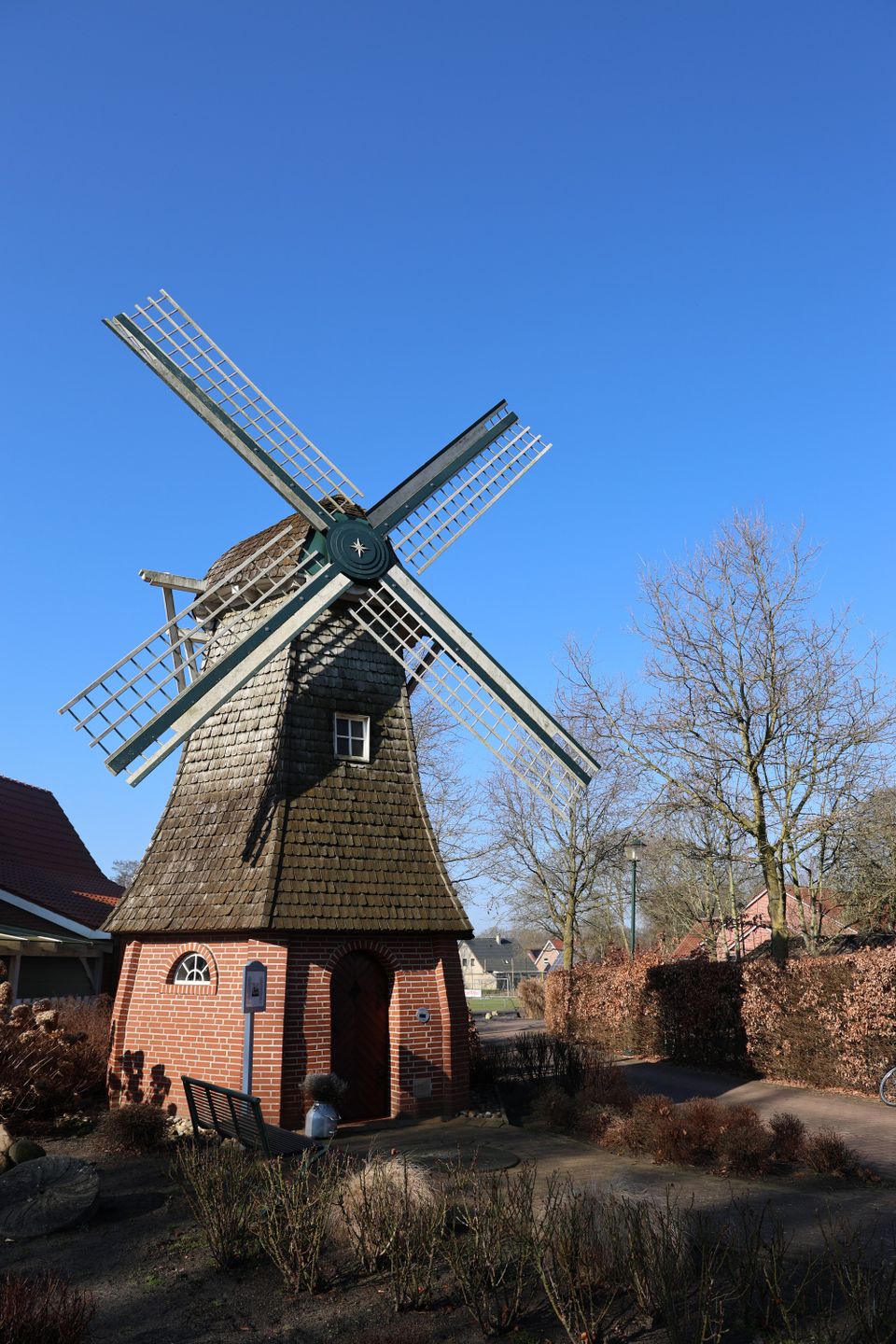
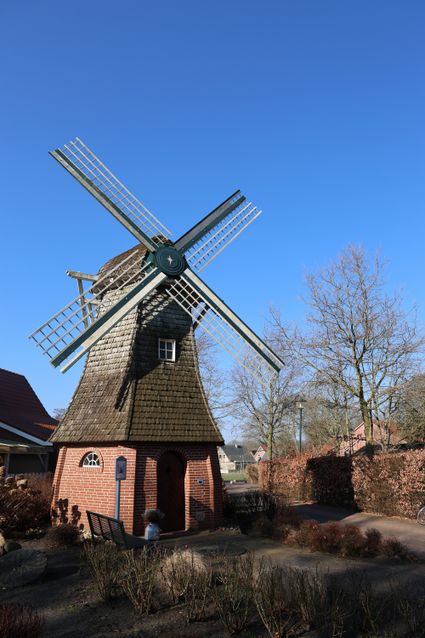
Just over thirty years after the Hebelermeer colony was established, the settlement acquired its own windmill. The windmill was erected on higher ground and stood on a layer of peat 3.5 metres thick. For the first 75 years, there was enough wind to power the mill.
On the German side, large-scale peat reclamation only began at the end of the nineteenth century; in the centuries prior, the Bourtanger Marsh had been steadily settled by small farmers who grew crops on the peat.
The Veenpark on the outskirts of Barger-Compascuum is one of the largest open-air museums in the Netherlands. It focuses on the history of the peat worker and the reclamation of the Bourtangermoeras. The old village, dating from around 1860, has been reconstructed with turf huts, a school, a church,
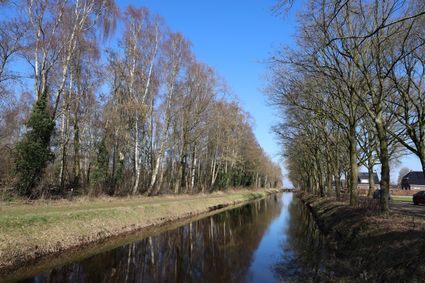
De Runde was a peat river that originated in the Zwarte Meer in the high moor and formed the upper reaches of the Ruiten Aa. In 2005, this old course was restored as far as possible, and natural banks and fish ladders were constructed to enable fish to reach their spawning grounds.
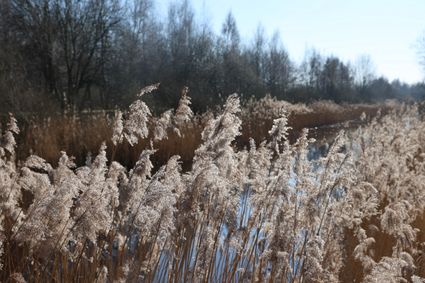
On the edge of the Zwarte Meer, a vast peat lake that was up to five metres deep, huts for peat workers and small farms where buckwheat was grown on the peat began to spring up after 1860.